The Role of Luck in Gambling
Luck is often perceived as the primary factor determining success in gambling. Many individuals enter gambling establishments with the belief that winning is purely a matter of chance. This notion is amplified by the fact that the outcomes in many gambling games, such as slots and roulette, are entirely random. However, the reality is that while luck plays a vital role, it is not the only element influencing the results. For instance, those who seek the best online pokies often find that their strategic choices can significantly impact their experience and potential winnings, leading to the conclusion that skill and luck coexist in the gambling ecosystem.
The randomness of luck in gambling does not diminish the skill that can be involved, particularly in games like poker or blackjack. In these games, players can influence outcomes through their decisions, strategies, and knowledge. A skilled poker player, for example, can calculate odds, read opponents, and make strategic moves that increase their chances of winning. Thus, while luck may govern short-term outcomes, skill becomes a crucial factor in long-term success. This duality begs for a deeper understanding of how luck and skill interact within the context of gambling.
Furthermore, the psychological aspect of gambling demonstrates how luck and belief can intertwine. Players who believe they are “due” for a win may make riskier bets, relying on the false confidence that luck will turn in their favor. This mindset often leads to erratic behavior that can compromise their strategy. Therefore, understanding the myth of luck as the sole determinant can empower players to approach gambling more strategically and responsibly, acknowledging that personal agency plays a significant role in shaping outcomes.
The Importance of Skill in Gambling
Skill in gambling often differentiates the casual player from the professional. Many games, such as blackjack and poker, necessitate a solid understanding of strategies, probabilities, and risk management. Players with a grasp of these concepts tend to fare better over time than those who rely solely on luck. For instance, professional poker players invest years in honing their skills to excel in reading tells, bluffing, and calculating outs, thereby increasing their edge against opponents. This expertise allows them to make informed decisions that can significantly enhance their odds of winning.
An excellent example of skill influence is observed in blackjack, where players can utilize strategies such as card counting. This technique enables players to track which cards have been dealt, providing them with an advantage that can tilt the odds in their favor. Although casinos may employ measures to deter card counters, the skill itself remains a testament to the significance of knowledge and experience in gambling. The ability to make calculated decisions based on available information can transform a player’s approach and lead to more favorable outcomes.
Moreover, skilled gamblers often employ bankroll management techniques—essential for minimizing losses and maximizing opportunities. By understanding when to place bets, when to walk away, and how to adjust their strategies based on game dynamics, skilled players can maintain their edge over the long term. This mindset reinforces that while luck might dictate individual game outcomes, skillful strategy and decision-making are vital for overall success. It is the synergy of skill and discipline that sets the foundation for a sustainable gambling experience.
Myths Surrounding Gambling Strategies
Numerous myths circulate regarding gambling strategies and their effectiveness, which can mislead players. One common misconception is that certain betting systems, like the Martingale strategy, guarantee success. This system relies on the gambler doubling their bet after each loss, under the assumption that a win will eventually cover losses. However, this approach can lead to substantial financial risks and ultimately may not yield the desired results. Understanding that no betting system can alter the inherent house edge is essential for responsible gambling, as it fosters realistic expectations and informed decisions.
Another prevalent myth is the belief in “hot” and “cold” machines in slot games. Players often feel that certain machines are on a winning streak while others are unlikely to pay out. However, each spin of a slot machine operates independently, governed by Random Number Generators (RNGs). The outcome of one spin does not affect subsequent spins, debunking the myth that players can predict or influence outcomes based on previous results. This misunderstanding can lead to frustration and poor betting decisions, highlighting the importance of education in gambling.
Educating oneself about these myths is crucial for fostering a healthier gambling environment. By emphasizing proven strategies and focusing on skill-based games, players can enhance their gaming experience and mitigate the risks associated with gambling. Dispelling these myths nurtures a more informed gambling community that values knowledge, experience, and responsible play, rather than blind reliance on superstitions. This emphasis on education can empower players to make more rational choices and develop a stronger foundation for their gambling activities.
The Influence of Casino Design and Environment
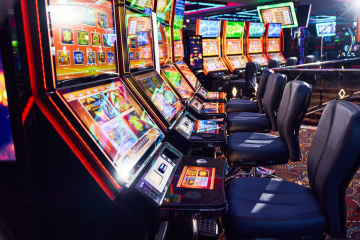
The design and atmosphere of casinos also play a critical role in the gambling experience, often perpetuating the myth of luck. Casinos are meticulously crafted with layouts that aim to keep players engaged and entertained. The sounds of slot machines, the bright lights, and the layout of the games can evoke feelings of excitement and anticipation, leading players to believe that luck is always around the corner. This environment can skew perceptions, making it easy for individuals to forget the critical role of skill. Therefore, being aware of these design aspects can help players maintain a balanced perspective.
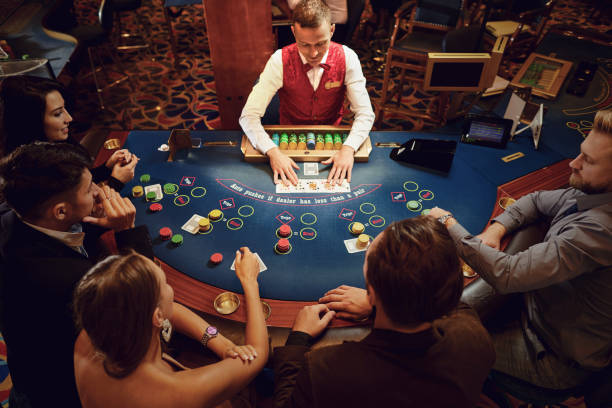
Moreover, the social aspect of gambling can amplify this myth. Players often gather around tables, feeding off each other’s energy, which can create an illusion of collective luck. In poker, for example, players may believe they’re on a winning streak because the table is lively. While this camaraderie can enhance the experience, it may detract from a player’s ability to make rational, skill-based decisions, relying instead on the emotional highs associated with luck. Recognizing the social dynamics at play can help individuals retain focus on their strategies and not be swayed by the surrounding atmosphere.
Recognizing the impact of casino design can help players approach gambling with a healthier perspective. By focusing on developing skills and a strategic mindset, players can lessen the influence of the environment on their decision-making. Understanding that casinos are designed for profit and that luck is just one aspect of the gaming experience allows individuals to take a more proactive role in their gambling endeavors, thus fostering a more balanced approach. This awareness encourages players to prioritize skill development and informed choices over reliance on luck.
Finding Balance: Luck, Skill, and Responsible Gambling
In the end, successfully navigating the world of gambling lies in striking a balance between luck and skill. While luck undoubtedly plays a role in the outcomes of various games, skill and strategy are essential for long-term success and sustainability. Players who recognize the interplay between these elements can approach gambling as a form of entertainment, rather than a way to secure financial gain. This perspective encourages responsible behavior and informed decision-making, which are vital for a healthy gambling experience.
Additionally, responsible gambling includes understanding personal limits and the importance of self-control. Players should familiarize themselves with their own gambling habits and know when to take breaks or seek help. Recognizing the signs of problematic gambling is essential for maintaining a balanced approach, allowing players to enjoy the thrill without experiencing negative consequences. This self-awareness can lead to more enjoyable experiences and a greater appreciation for the games themselves.
Finally, finding information and resources that promote responsible gambling can enhance players’ understanding of the game. Websites that focus on responsible gambling education can provide valuable insights into managing risk, strategies for various games, and tools for self-assessment. By emphasizing an educated approach, players can cultivate skills while acknowledging that luck is an unpredictable element of the gambling world. This comprehensive understanding fosters a healthier relationship with gambling, promoting both enjoyment and responsibility.